.png)
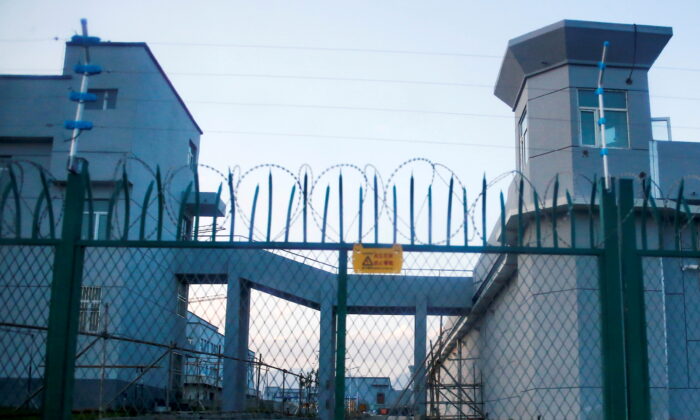
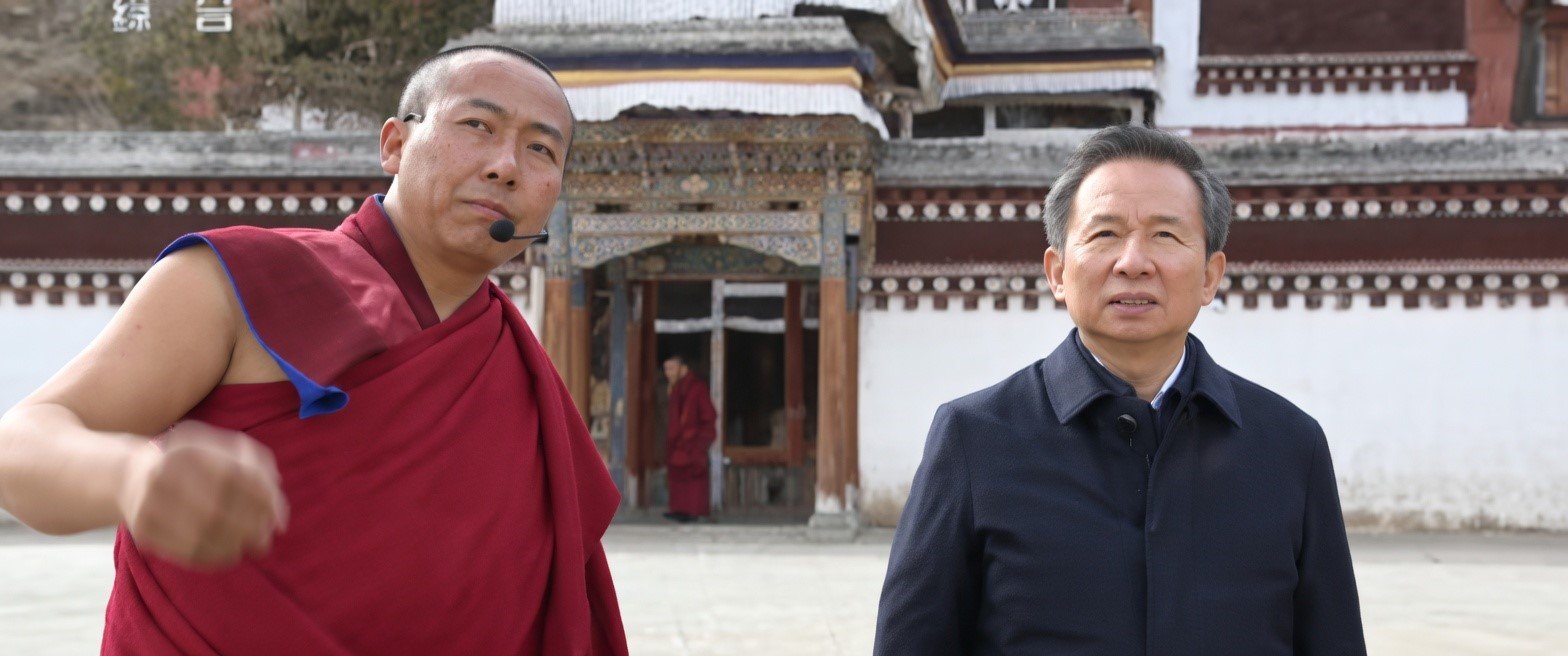
For centuries, pilgrimages have formed the spiritual backbone of Tibetan Buddhist culture. These sacred journeys to holy sites within and outside Tibet are more than religious observances; they embody cultural continuity, family connections, and collective identity. Today, however, the Chinese government’s restrictive travel policies have transformed these fundamental expressions of faith into exercises in state surveillance and control.
The disparity in passport access between Tibetan and Han citizens in the Tibet Autonomous Region (TAR) exposes a troubling pattern of ethnic discrimination that violates international human rights standards. While freedom of movement is enshrined in Article 13 of the Universal Declaration of Human Rights, Beijing’s policies effectively deny this basic right to Tibet’s indigenous population.




 (1).jpg)
 (1).jpg)
 (1).jpg)
 (1).jpg)
 (1).jpg)