.png)
The Conversation
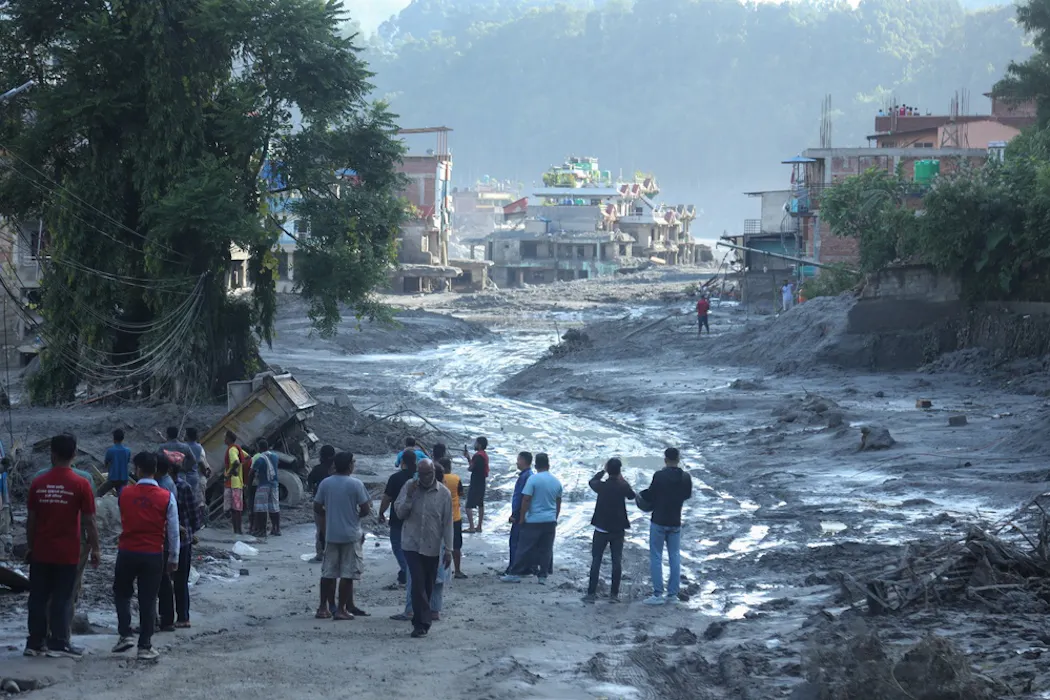
Climate disasters are getting worse – risks escalate when authoritarian regimes keep neighbours in the dark
With extreme weather and glacier melt predicted to increase, neighbouring nations will need to act together to prevent deaths.
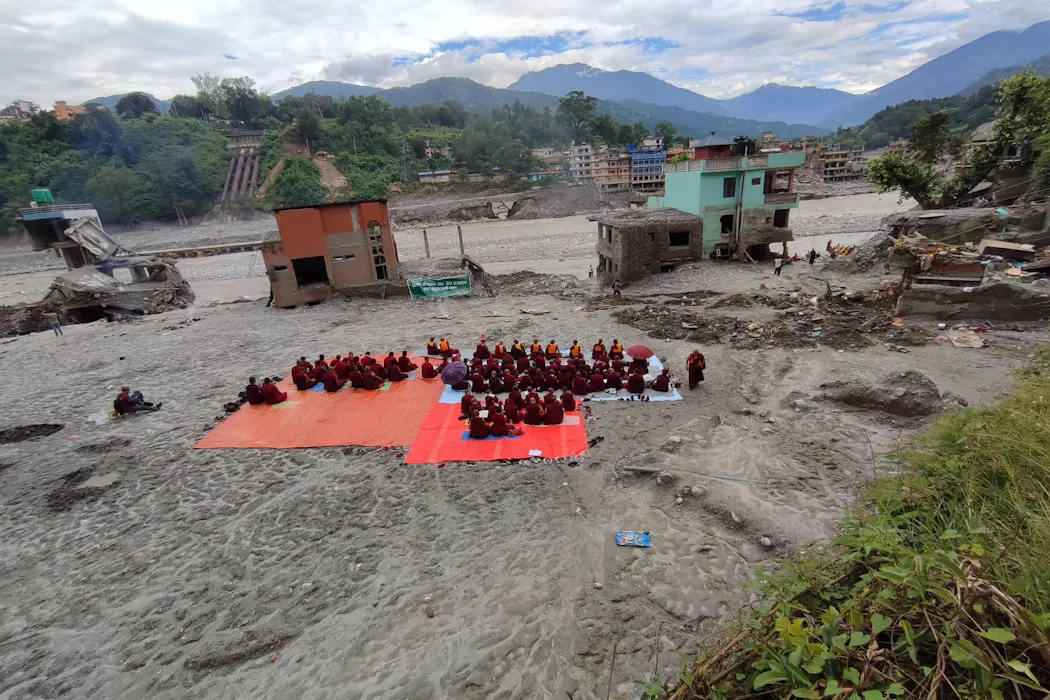
Nepal could show the world how to recover sustainably from a major disaster
Development in known hazard zones is creating untenable risks for communities around the world. Here’s how Nepal and the global community can build back differently.

Who do you trust in an emergency? We asked people in places hit by extreme weather
The problem wasn’t the volume of emergency information – it was who it came from, and how it was delivered.
Granting a new gasfield licence does not guarantee energy security
Any additional emissions from a UK gasfield are incompatible with climate targets.

Want to help Nepal recover from its deadly floods? Here’s what tourists need to know
Almost one in seven jobs in Nepal rely on tourism. Travellers need to consider these things before planning a return to Nepal.

Even the Buddha experienced challenges with meditation: Historical texts reveal its potential downsides
While meditation has been shown to have health benefits, it may not always be the right practice for all people.

Earthshot and the science of positive tipping points: how environmental progress can become unstoppable
Change happens rapidly when we know where to look: these solutions could tip the world towards a better future.
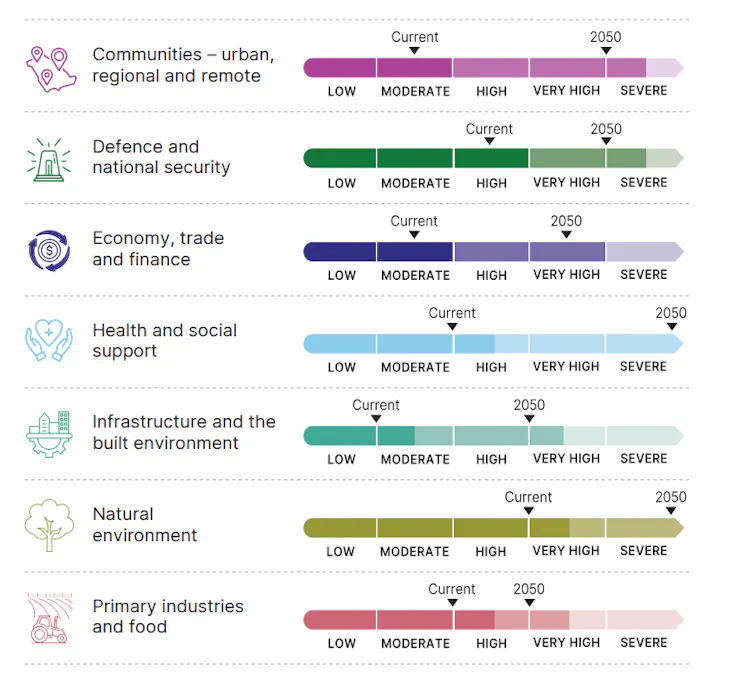
It’s been one year since Australia assessed its national climate risk. But have we listened?
Over the past 12 months, the federal government has approved multiple fossil fuel projects and cut climate science funding.

Nepal floods: how measuring snow in the Himalayas could help avoid future disasters
Around half of the glacier ice in the Himalayas (equivalent to about two billion Olympic swimming pools) could melt by the end of this century.
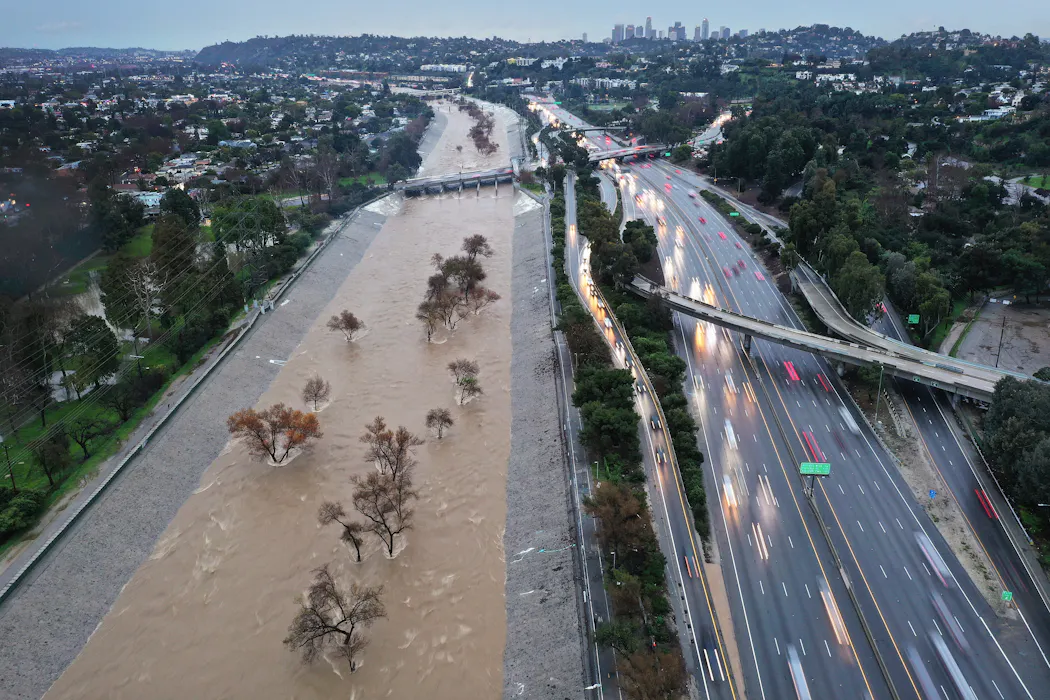
How heat on the Tibetan Plateau fuels powerful storms in California, half a world away
A new study connects early winter heat high up on the plateau to the jet stream and, ultimately, storms headed for the US coast. The results could mean better forecasts.
Trending