.png)
National governments have the power to push back against what they know to be lies about Taiwan’s status, and yet, for practical reasons, are limited in what they can do and say, due to the PRC’s economic and political clout.
Parliamentary groups have more flexibility and independence, and can base their activities and allegiances more on their own sense of what is right and true. They can initiate studies and pass resolutions without the constraints that their governments have, and have the political authority to influence government policy and the legitimacy to say they represent the desires of their constituencies. They can also send delegations and envoys to visit Taiwan.
Taken together, these advantages were key to the formation of the Inter-Parliamentary Alliance on China.
Parliamentary groups are more willing to intervene on human rights issues, but more reluctant when it comes to complex territorial disputes. Even if, from another country’s perspective, a cursory or incomplete understanding of Taiwan’s sovereignty leads to viewing its status as “undetermined,” human rights can still justify involvement. Even a contested state should be protected in international law against the use of force. Indeed, contested states are the places where this risk is highest.
The third level is civil society in other countries. People might hold rational and morally sound views on the situation in Taiwan, yet remain unaware of the details due to distance and the absence of direct relevance to their daily lives. This presents a challenge and an opportunity.
Last month, the Central European Institute of Asian Studies (CEIAS), a transnational think tank that has a presence in Taiwan, released a report titled Echoes and Resistance: China’s Discourse Power and Public Perceptions in Central Europe. The report examines Beijing’s use since 2013 of official channels, state-affiliated influencers and cooperation with central European opinion leaders to shape perceptions of China in the Czech Republic, Hungary, Poland and Slovakia.
The narratives pushed, and the degree to which they were accepted, varied from country to country, but not greatly. The report said the propaganda efforts have not found fertile ground, with strong acceptance or outright rejection limited to small percentages at either end of the political spectrum. Responses to most questions clustered around the center, with many participants choosing “somewhat disagree,” “neither agree nor disagree” or “somewhat agree.”
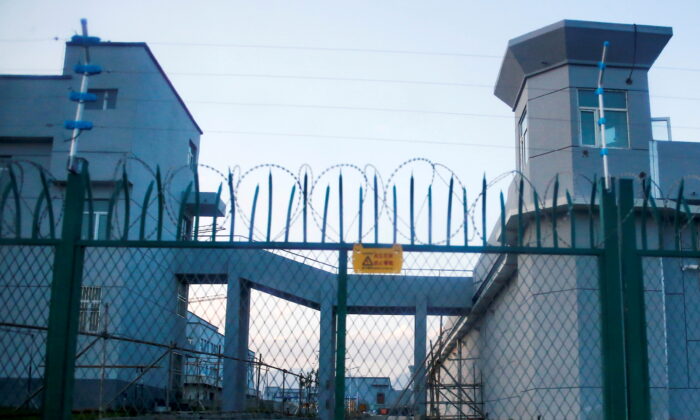
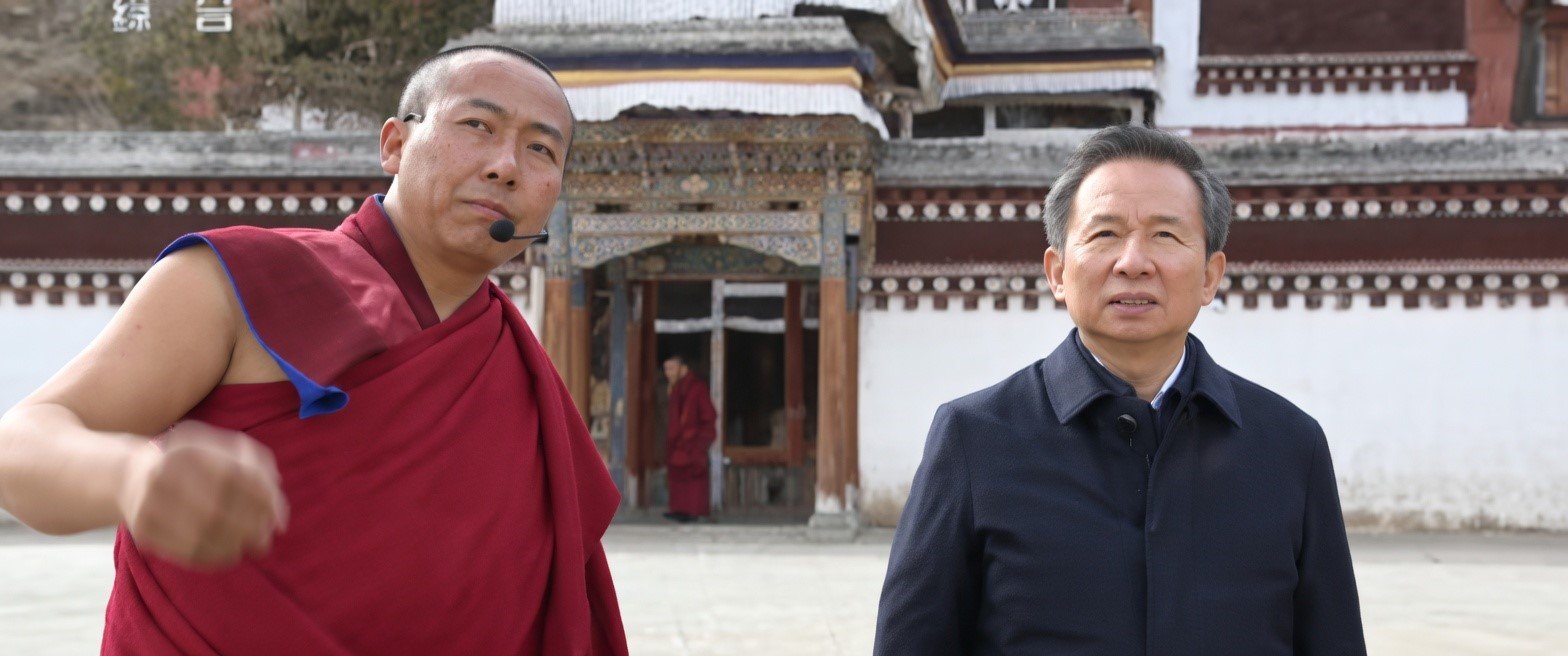
In other words, despite a decade of coordinated Chinese propaganda, public attitudes toward the PRC in those countries are generally negative or non-committal. The report says that people in the region “mostly view Chinese policies on Tibet, Xinjiang, Hong Kong and Taiwan negatively and do not tend to accept China’s delineation of its ‘core interests.’”
Rather than regarding the effort as a waste of resources, the government should view it as an opportunity to engage more deeply — demonstrating to the citizens of those countries, who by virtue of their histories are less receptive to authoritarian rule, that Taiwan offers more to connect with and empathize with than China.




 (1).jpg)
 (1).jpg)
 (1).jpg)
 (1).jpg)
 (1).jpg)