.png)
Today is the 90th birthday of His Holiness the 14th Dalai Lama. In an age marred by authoritarian resurgence, geopolitical fragmentation and ethical ambiguity, the Dalai Lama’s voice continues to resonate with uncommon moral clarity.
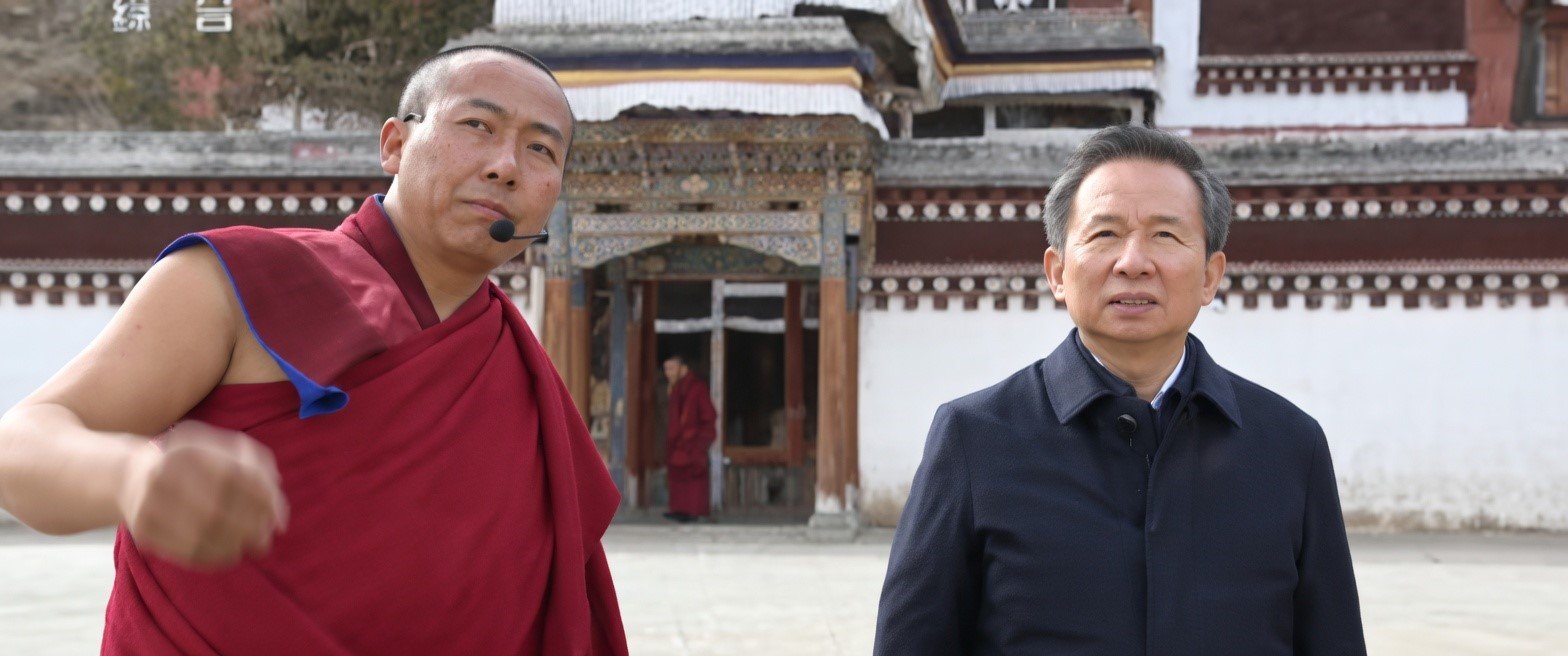
For decades, the Chinese Communist Party (CCP) has sought to control Tibetan Buddhism from the inside out. In 2007, Beijing codified its claim to religious authority by requiring all reincarnated lamas to be approved by the state. The absurdity of an atheist regime appointing spiritual leaders is not lost on the world. Nor is the precedent: In 1995, after the Dalai Lama recognized a six-year-old boy as the 11th Panchen Lama, China abducted the child and installed its own proxy. That boy — Gedhun Choekyi Nyima — has not been seen since.
Now, the 14th Dalai Lama has made it unequivocally clear: His own reincarnation would be chosen by the Gaden Phodrang Trust, in accordance with centuries-old Tibetan Buddhist tradition. He has further stated that his successor would be born in a free country — not under Chinese rule. This announcement has sparked a wave of international affirmation.
The US, through its Tibetan Policy and Support Act, has explicitly rejected China’s claim to control reincarnation and authorized sanctions against officials who interfere. Amnesty International has called China’s policy a “direct assault” on religious freedom. Buddhist communities across Asia have echoed the Dalai Lama’s call for spiritual autonomy.
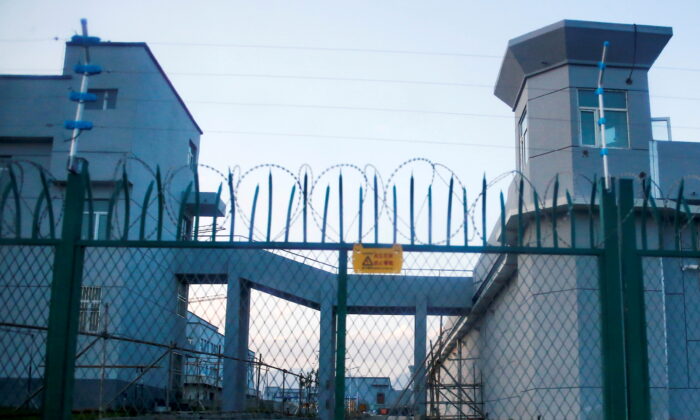
At its core, this is a battle between coercion and conscience. China’s reincarnation policy is not about religion; it is about control. It seeks to manufacture legitimacy by co-opting the symbols of Tibetan identity. However, the world has seen this playbook before — in Hong Kong, in Xinjiang and in the silencing of dissent across China. The Dalai Lama’s stand is a reminder that some truths cannot be legislated away.
Moreover, the global embrace of his announcement reflects a deeper recognition: That Tibet’s struggle is not a relic of the past, but a living testament to the resilience of culture, faith and freedom. The Dalai Lama is not just a spiritual leader — he is a symbol of nonviolent resistance, of compassion in the face of conquest. His decision to continue the lineage is not about personal legacy; it is about ensuring that the Tibetan people — and their spiritual compass — are not erased.
Legitimacy cannot be forged in the halls of Beijing. It must be earned in the hearts of the faithful. In that realm, the Dalai Lama’s voice still echoes with unmatched clarity.
Let this 90th birthday renew our commitment — not just to His Holiness’ legacy, but to the future of a free and culturally vibrant Tibet. The measure of our admiration must be action. Anything less would dishonor the path he has walked on behalf of all of us.
Khedroob Thondup is a former member of the Tibetan parliament in exile.



 (1).jpg)
 (1).jpg)
 (1).jpg)
 (1).jpg)
 (1).jpg)