.png)
The law’s central premise is the creation of a “strong sense of community for the Chinese nation.” This language is a legal mandate for assimilation. It subordinates minority identities to a singular national identity, eroding the constitutional promise of regional autonomy. What was once framed as “unity in diversity” is recast as “unity through uniformity.”
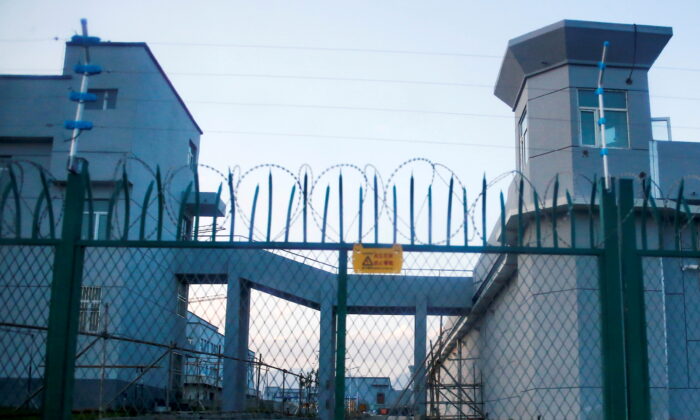
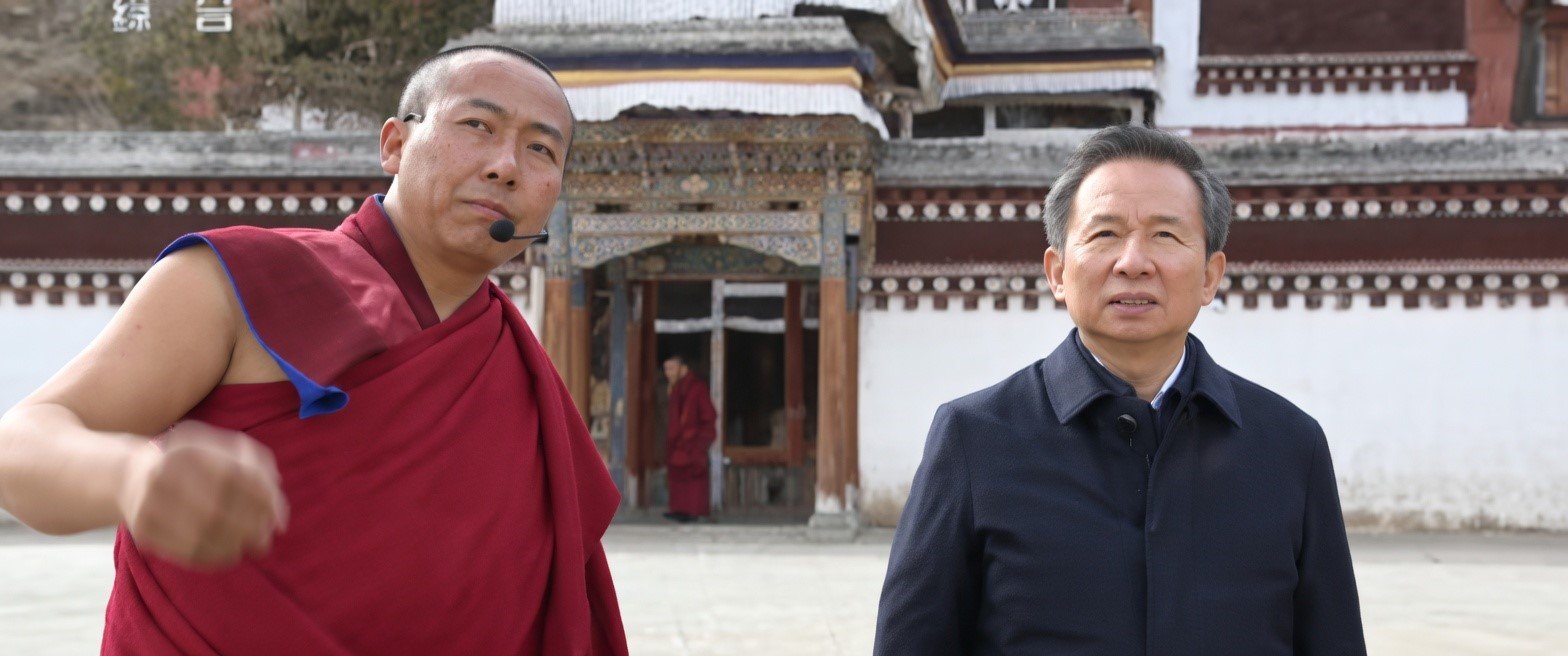
In practice, this legal framework legitimizes restrictions on minority-language education, religious practice and cultural expression. Tibetan schools face pressure to replace Tibetan-language curricula with Mandarin; Uighur religious life is criminalized under the guise of counter-extremism. By embedding these practices into the law, Beijing gains a legal shield against domestic dissent and international criticism.
China is a signatory to international treaties that protect minority rights, including the International Covenant on Economic, Social and Cultural Rights. The new law directly conflicts with these obligations, signaling Beijing’s willingness to prioritize sovereignty and “national unity” over international norms.
For policymakers, the law should be read as part of Beijing’s broader project: to redefine sovereignty in ways that insulate authoritarian governance from external scrutiny. By legislating assimilation, China is not only erasing minority identities, but also challenging the universality of human rights. This has effects across the Indo-Pacific region, where questions of identity, autonomy and sovereignty are deeply contested.
China’s ethnic minorities law is less about fostering progress and more about consolidating control. It reframes diversity as a threat, turning legal protections into instruments of erasure. For Tibetans, Uighurs, Mongols and others, the law represents a tightening of the assimilationist grip. For the international community, it is a test: whether to accept Beijing’s redefinition of rights or reaffirm the principle that cultural identity is not a privilege granted by the state, but a right inherent to all peoples.
Khedroob Thondup is a former member of the Tibetan parliament in exile.




 (1).jpg)
 (1).jpg)
 (1).jpg)
 (1).jpg)
 (1).jpg)