.png)
The country is in the midst of a wellness boom, offering a rare bright spot in an otherwise struggling retail sector — and lessons for luxury clothing industry players trying to reconnect with their most important market.
The rise of the “Gorpcore” aesthetic is emblematic of this trend. Coined by an American writer in 2017, the term takes its name from a classic trail mix popular with hikers. Fashionistas sporting this look wear functional outdoor clothing as streetwear. China was late to embrace this phenomenon, but it has adopted the concept and moved it firmly into the mainstream.
One example is a viral meme that translates to “one bird, two trees and three roads.” It describes the respective logos of a trio of high-end outdoor brands — Arc’teryx, Kolon and Descente — that are considered workplace must-haves for professionals. All three labels are controlled by Anta Sports Products Ltd (安踏體育用品有限公司), China’s biggest activewear maker with a rags-to-riches origin story as a provincial shoe seller. The popularity of this trend has helped the retailer maintain its revenue lead over Nike Inc, the dominant player for decades.
Waterproof parkas at Arc’teryx, named for a flying dinosaur, cost up to 8,000 yuan (US$1,136). That is only 2,000 yuan less than the median monthly salary of a megacity such as Shenzhen. Outerwear at Kolon and Descente might cost between 2,000 to 5,000 yuan. Most of the buyers might never conquer any snowy peaks, but the brands have become status symbols that telegraph alignment with a desire to explore novel experiences.
President Xi Jinping (習近平) donned an Arc’teryx jacket while touring Beijing’s Winter Olympic venues in 2021 and again a year later at the opening ceremony. China’s sportswear market is expected to have grown by 6.1 percent this year, according to data from Euromonitor, outpacing the 1.5 percent forecast expansion in general apparel and footwear.
In the social-media driven world of online sales, the Gorpcore trend is even more apparent. Revenues for outdoor jackets and shell pants grew by 49 percent last year to US$2.7 billion, according to e-commerce consultancy WPIC Marketing + Technologies.
Anta has its roots as a “Fujian Tiger,” one of a number of shoemakers clustered in eastern China that emerged in the 1980s making sneakers for the likes of Nike and Adidas AG. The unit that houses its Gorpcore brands accounted for only 19 percent of revenue in the first half of the year, but is the fastest-growing part of the business.
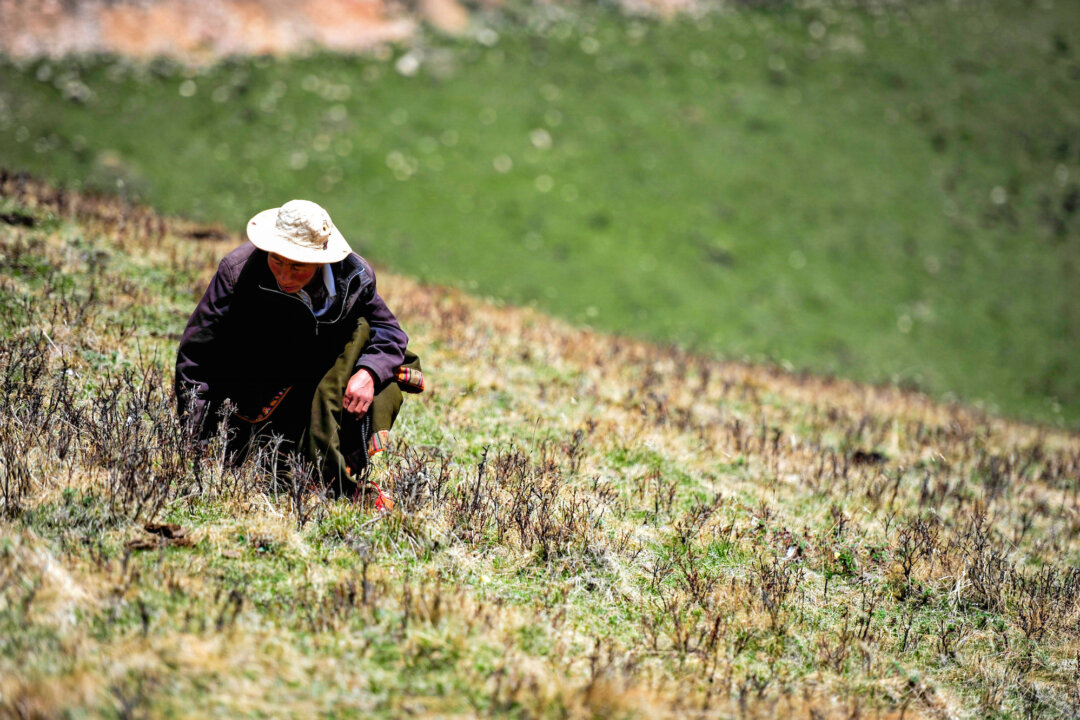
That is why the fallout from a September public relations disaster involving Arc’teryx is being so closely watched. Images widely circulated online of a fireworks show above a pristine Tibetan landscape have drawn much criticism over possible environmental damage and prompted calls for a boycott of the brand as well for Anta.
Four Chinese officials were reportedly sacked and Arc’teryx Greater China general manager stepped down. The company’s chief executive admitted in an earnings call that sales slowed in the aftermath of the incident, but later recovered due to a cold spell.
Trends come and go. It is tough to say whether the Gorpcore aesthetic is going to remain in fashion, or if its influence is waning as it has elsewhere. It is clear that the focus on health and wellness is not a flash in the pan. Beijing aims to expand its sports economy to 7 trillion yuan by 2030. That is roughly double the 2023 figure.
This niche market alone is unlikely to overcome the malaise in the consumer sector, but it serves as an example of retail pockets that brands can lean on, given a broad-based slump in consumption that is showing little sign of letting up. Data Monday showed retail sales had slowed by a record amount, with the exception of the pandemic period.
The outdoor trend is a bright spot in an otherwise challenging market that should have legs well into the new year.
Juliana Liu is a columnist for Bloomberg Opinion’s Asia team, covering corporate strategy and management in the region. She was previously CNN’s senior business editor for Asia, and a correspondent at BBC News and Reuters. This column reflects the personal views of the author and does not necessarily reflect the opinion of the editorial board or Bloomberg LP and its owners.



 (1).jpg)
 (1).jpg)
 (1).jpg)
 (1).jpg)
 (1).jpg)