.png)
It stirred an old anxiety: What happens when great powers decide that the law would not impede their actions?
In several Western capitals, political leaders and commentators reached for familiar phrases, such as the importance of state sovereignty, UN principles and the rules-based international order. Protests appeared, banners were raised and objections were voiced.
Elsewhere, particularly in Latin America and parts of the global south, the mood was more conflicted. Many were uneasy, but some were quietly relieved that a criminal regime had finally been confronted and humbled.
Across much of Asia, the response was cooler still. Less outrage. More watching, more waiting.
What mattered was not who objected, but who could impose consequences — and almost no one could.
When it comes to understanding the application of international law, debates on the issue often omits one part. The Venezuela operation was not controversial because Washington misunderstood international law. It was controversial because the US chose not to let laws decide the outcome. For US President Donald Trump, international law is at best conditional, invoked when it produces results, discarded when it does not.
In Trump’s worldview, rules that fail to stop narco-states, terrorism or strategic decay carry little moral weight. They are tools, not guardrails. That is a blunt reality that unsettles many in Taiwan, because it strips away comforting assumptions about how the world is supposed to work.
Trump tends to sort the world into two groups: those who can impose real costs, and those who can merely express opinions. Speeches, protests and condemnations fall into the latter category. They do not ground aircraft or reverse military operations. If anything, they often feed Trump’s domestic narrative of foreign elites scolding the US while leaning on its power.
Asking whether international law has become a “fig leaf” misses the point. The real question is, when power moves, can the law stop it?
If the answer is no, then law becomes optional in the eyes of great powers. What matters is whether contraventions trigger real costs: sanctions that bite, alliances that fracture or military pushback. In the case of Venezuela, none followed.
That reality should matter to Taiwan far more than legal debates about Latin America.
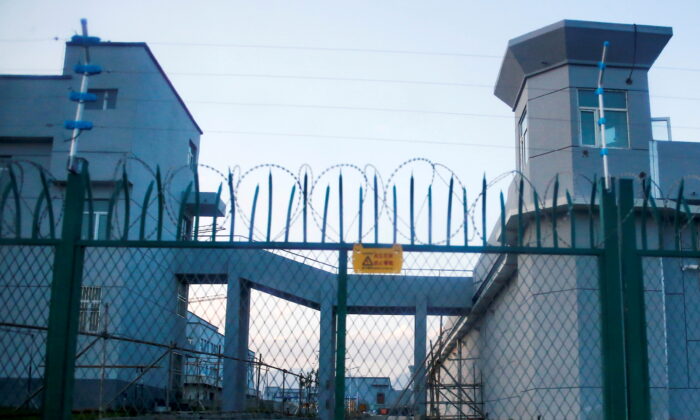
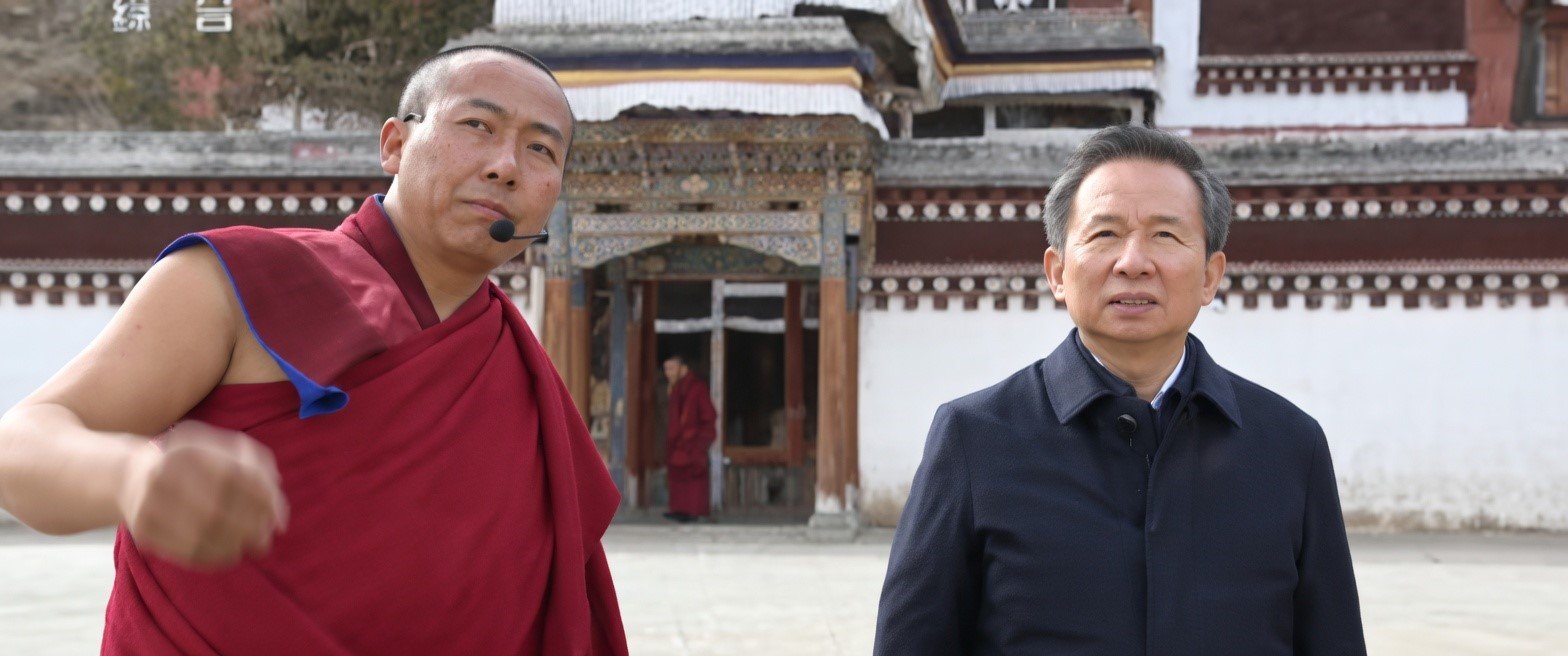
Some voices in Taiwan say that Beijing would use Washington’s actions as a pretext to justify attacking Taiwan or blocking US intervention. China has never waited for legal precedents. International law did not restrain Beijing in Hong Kong, Xinjiang or Tibet.
China refrains from attacking Taiwan for one reason: It is not confident it could win quickly.
Yet, parts of Taiwan’s political discourse persist in pretending otherwise. By framing Taiwan as a legal problem rather than a strategic one, the arguments help Beijing far more than they help peace. By condemning US “lawlessness” while softening language about Chinese coercion, they create a false moral symmetry unique to Taiwan’s domestic politics.
A Taiwan defended without perfect legitimacy is better than a Taiwan abandoned with flawless legal arguments.
The Taiwan Relations Act, the foundation of Washington’s involvement with Taipei, is not international law. It is US domestic law, deliberately designed to preserve ambiguity, with room for intervention.
International politics is not a courtroom. It is a test of resolve.
If law alone were enough, Taiwan would not feel this uneasy. That it does says exactly what kind of world we are living in, and why watching power moves matters so much here.
Bonnie Yushih Liao is an assistant professor in Tamkang University’s Department of Diplomacy and International Relations.




 (1).jpg)
 (1).jpg)
 (1).jpg)
 (1).jpg)
 (1).jpg)